A $4M Problem Meets a Cheaper Fix: Introducing OSIRIS UEB-1 Interceptor Drone
For years, air defence has been defined by a mismatch: Multi-million-dollar systems shooting down targets that cost a fraction of the price.
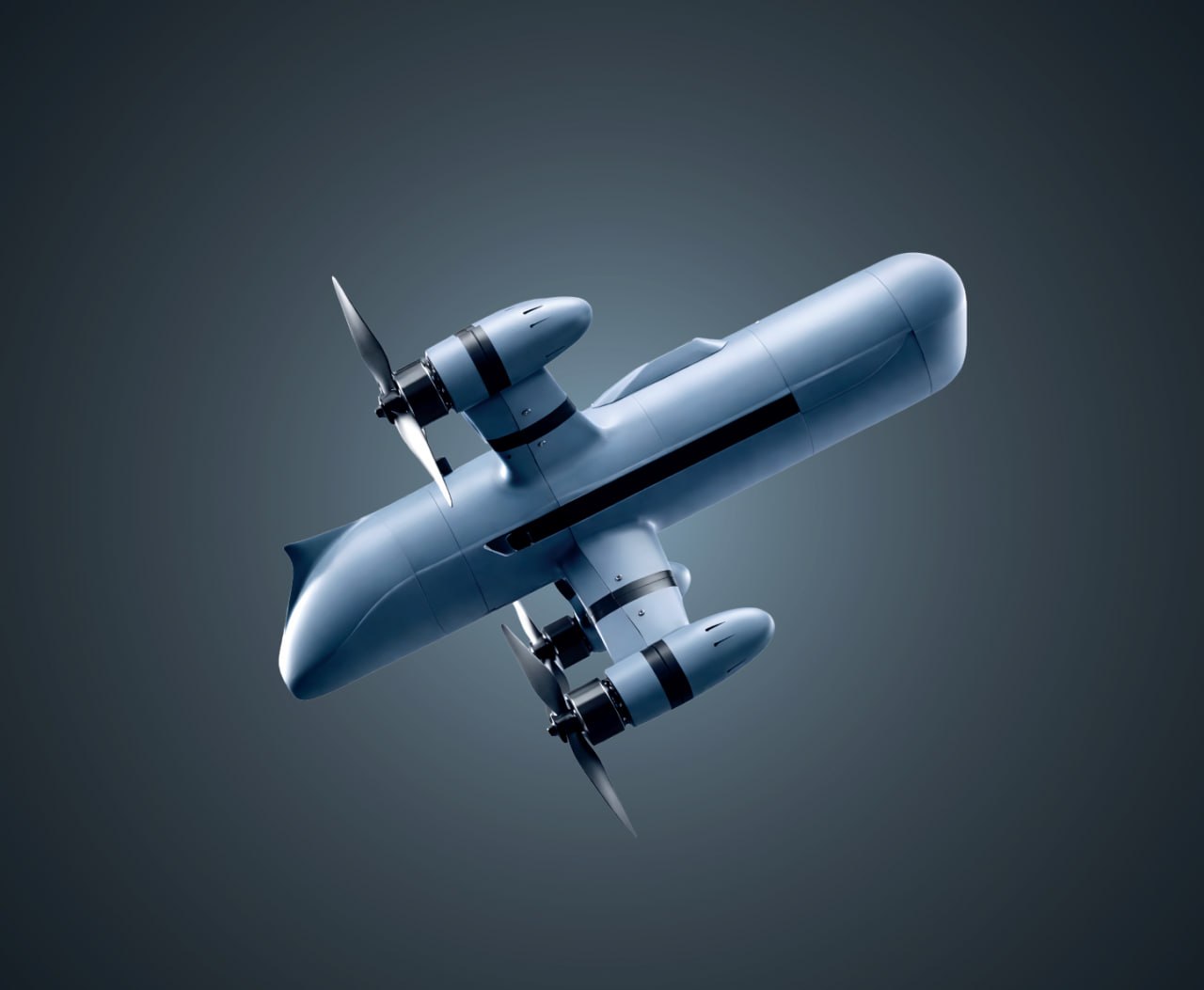
OSIRIS UEB-1 Interceptor Drone is what happens when air defence is redesigned around drones instead of missiles. The compact and high-speed interceptor (up to 315 km/h or 196 mph) can pursue and physically neutralize airborne threats with harrowing precision, thanks to AI predictive target tracking.
Unlike traditional systems, it’s built to be used often, not sparingly. And right now, this is what’s required for the next phase of air defence.
A product built for the realities of modern drone warfare
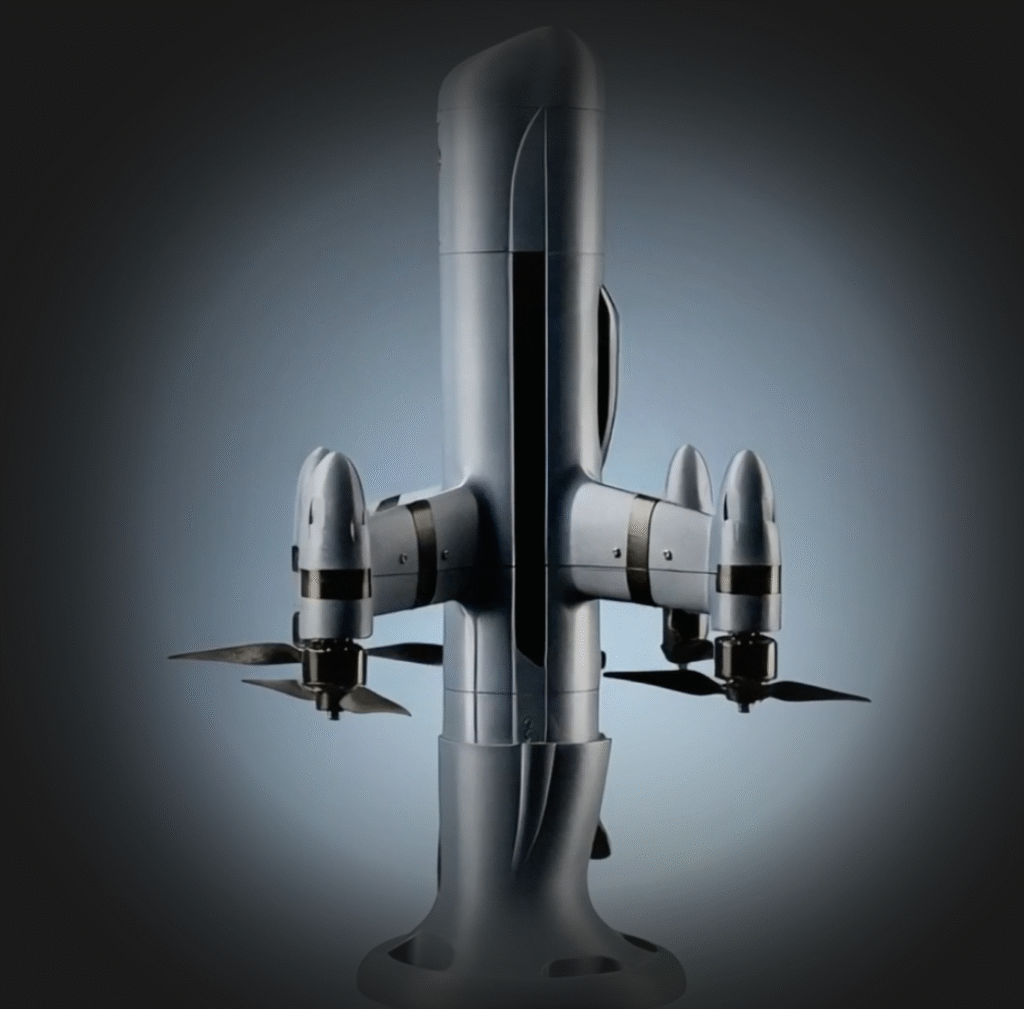
OSIRIS interceptor has an airframe of 370 × 370 × 550 mm (14.6 × 14.6 × 21.7 inches) and weighs just above 3 kg (6.6 lbs), which makes it easily transportable.
But its size is hardly an indicator of its capabilities. Powered by a 10,000 mAh battery, it can carry a warhead up to 0.5kg (1.1 lbs) for a distance of up to 18 km (11.2 miles). “The total operating range varies based on line of sight and terrain,” says the company spokesperson. “But that’s the result we recently got back from Eastern Ukraine. The real-time video feed stayed crisp despite the interference.”
OSIRIS UEB Interceptor relies on analog 5.8 GHz video transmission, which keeps latency minimal during high-speed cruising. “Digital links encode and buffer video before sending it,” explains the company spokesperson. “So we opted for analog transmission. The picture is far from being HD, but the signal is continuous with near-zero latency, which is what you need to make the most of the interception window during the terminal approach.”
The method of interception is straightforward. Once the onboard AI locks the target, the drone executes a direct-impact intercept, typically with an explosive payload. It’s not exactly a precision strike from afar, but more of a controlled, high-speed collision with intent.
But that’s the way to go as the threat itself has changed.
The shift in threats calls for new air defence
Low-cost UAVs and loitering munitions are now used at scale. They’re cheap, abundant, and increasingly coordinated in swarms. Traditional systems can stop them. But each interception comes at a disproportionate cost.
One Patriot shot costs around $4 million. Lighter interseptro systems like Coyote still sit at roughly $125,000 per engagement. Against a $30,000-$40,000 drone, the cost asymmetry becomes untenable.
“When threats are cheap and frequent, defences must be too. Our goal was to build a solution that shifts the cost per interception in the defenders’ favor,” says the company spokesperson. “So that proper defence could be extended beyond military bases towards critical energy infrastructure, logistics hubs, and urban airspace protection without the costs becoming as inhibitive.”
Affordable interceptor drones have already proven themselves in Ukraine, where similar systems have downed more than 3,000 Russian Shaheds since entering regular service in June 2025.
As geopolitical tensions mount globally, more governments are looking into scalable counter-drone solutions. The so-called “drone wall” initiative, backed by France, Poland, Germany, the UK, and Italy, seeks to establish protection against its eastern flank. The first phase focuses on drone detection and tracking, using sensors. The next stage is effective interception.
Following Operation Epic Fury, Middle Eastern countries are also seeking to purchase better anti-drone protection to protect their populations and critical infrastructure against incoming drone swarms.
What makes systems like OSIRIS especially viable for these tasks is autonomy.
To intercept fast-moving aerial targets, the drone needs to process sensor data, adjust trajectory, and execute terminal guidance in real time. That requires tight integration between onboard compute, sensors, and flight control.
Thanks to advances in sensor fusion and AI navigation, drone interceptors can maintain higher positioning accuracy and endpoint pressure even with weak GNSS. In other words, they can chase threats even in contested environments, where GPS may be jammed, signals degraded, and conditions unpredictable.
“Drone interceptors have proven their utility in Ukraine, and are now actively deployed to counter attacks in the Middle East,” the OSIRIS team explains. “We believe they will occupy a much wider segment of air defence systems globally. Especially as we improve unit economics and further train AI models on real-world engagements.”
Where the air defence market is heading
If the threat costs thousands, the response can’t cost millions. Interceptor drones can’t fully replace traditional air defence. But they strengthen them to repel low-cost UAVs and swarm attacks.
As conflicts evolve and infrastructure protection becomes a priority beyond the battlefield, the demand for cost-effective interception is increasing. That’s the niche OSIRIS is targeting.
Learn more about the OSIRIS UEB-1 Interceptor Drone.