The Future of Interceptor Drones: 4 Key Themes
Shooting down a drone shouldn’t cost a fortune. Yet many defenders are forced to use $4 million missiles to stop much cheaper threats, which often arrive in swarms.
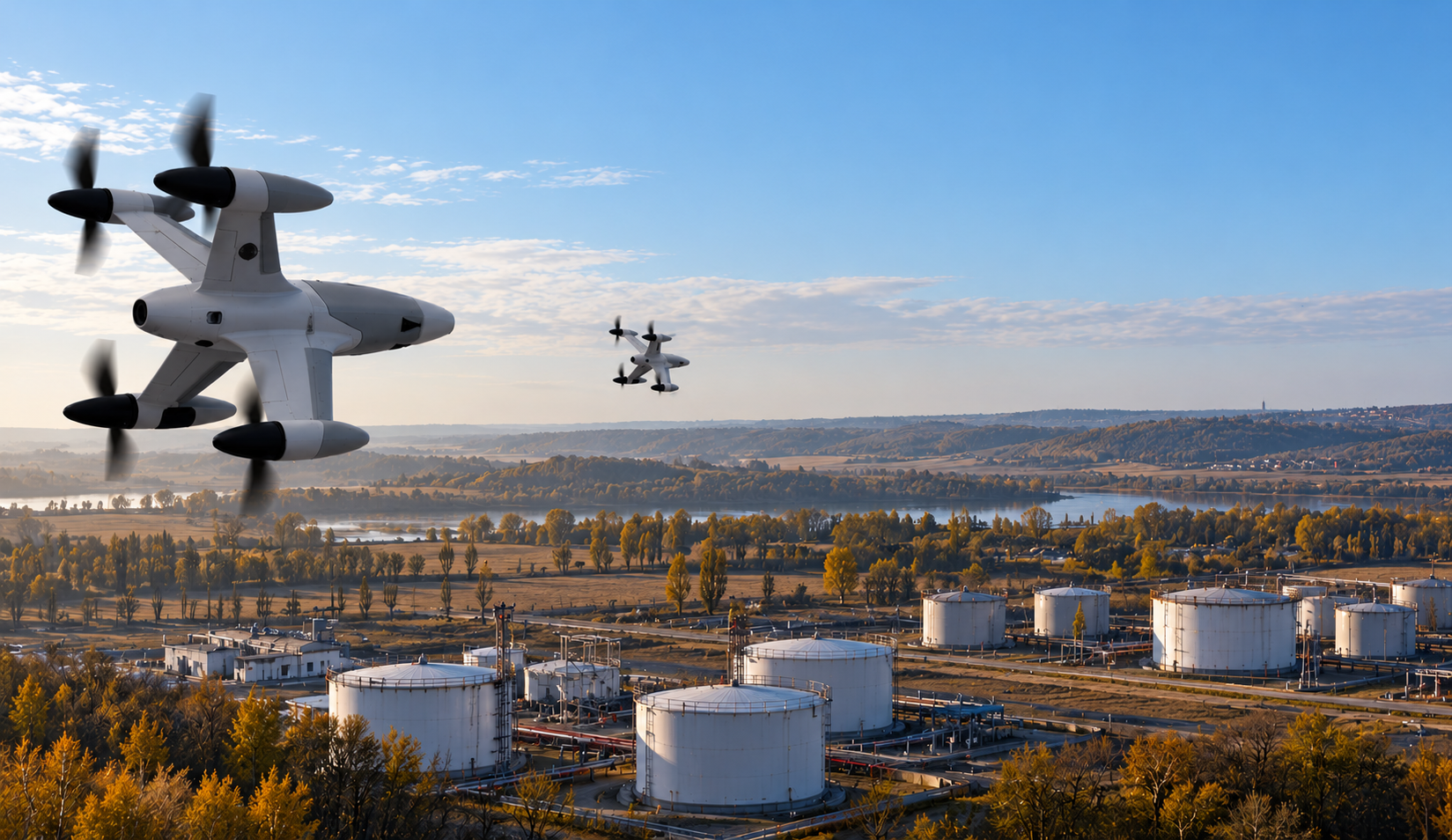
Interceptor drones promise to make the cost per engagement more manageable. Although affordability is only one aspect of the problem they aim to solve. As incoming threats get faster and attacks more complex, interceptors are becoming faster, more autonomous, and more deeply integrated into other air defence systems.
So, where does this sector go next? At Osiris AI, we see four trends shaping the future of interceptor drones.
Software-Enabled Autonomy
Software removes a lot of manual wrangling for pilots. Computer vision systems can track incoming drones, terminal guidance handles the final approach, and command-and-control systems coordinate multiple interceptors. So operators can supervise more and steer less — a dynamic we expect to become more prominent in the future.
Take Fortem’s DroneHunter 5.0: The dual onboard cameras and upgraded computing support autonomous engagements, while the company’s SkyDome platform can coordinate up to five interceptors against five threats.
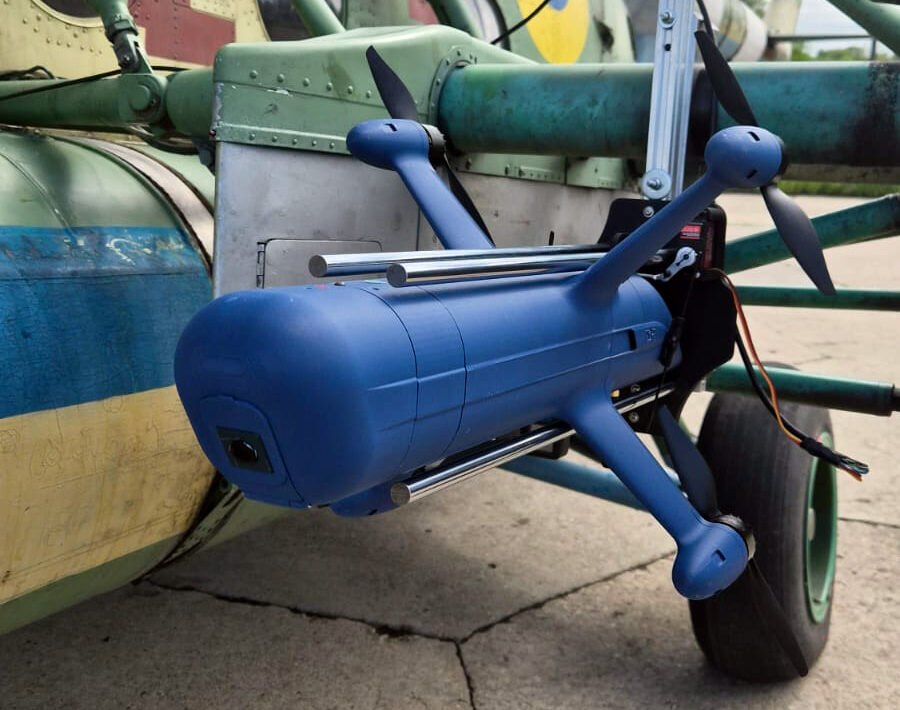
The Fourth Law’s TFL-1 module, in turn, solves the problem of losing the control link before reaching the target. Built for FPV drones, the module relies on onboard AI to track a selected target and guide the final approach even through radio-link disruption.
The company’s Zerov-8 interceptor, in turn, also tackles the problem of autonomous target tracking. The onboard edge AI unit analyzes movement, thermal signatures and other visual cues of incoming threats and tracks the target for the pilot. The Fourth Law reports detection ranges of up to one kilometre in ideal conditions and up to 300 metres in difficult weather. That gives operators help with finding and following a threat before terminal guidance takes over the final approach.
Then there’s the challenge of keeping up once a target is spotted — the one we’re solving at Osiris. Our interceptor drone pairs speeds of up to 315 km/h with AI predictive target tracking. The onboard software processes sensor data and adjusts the drone’s trajectory in real time, handling terminal guidance once the target is locked.
Shift to Jet Propulsion and Higher Operating Speeds
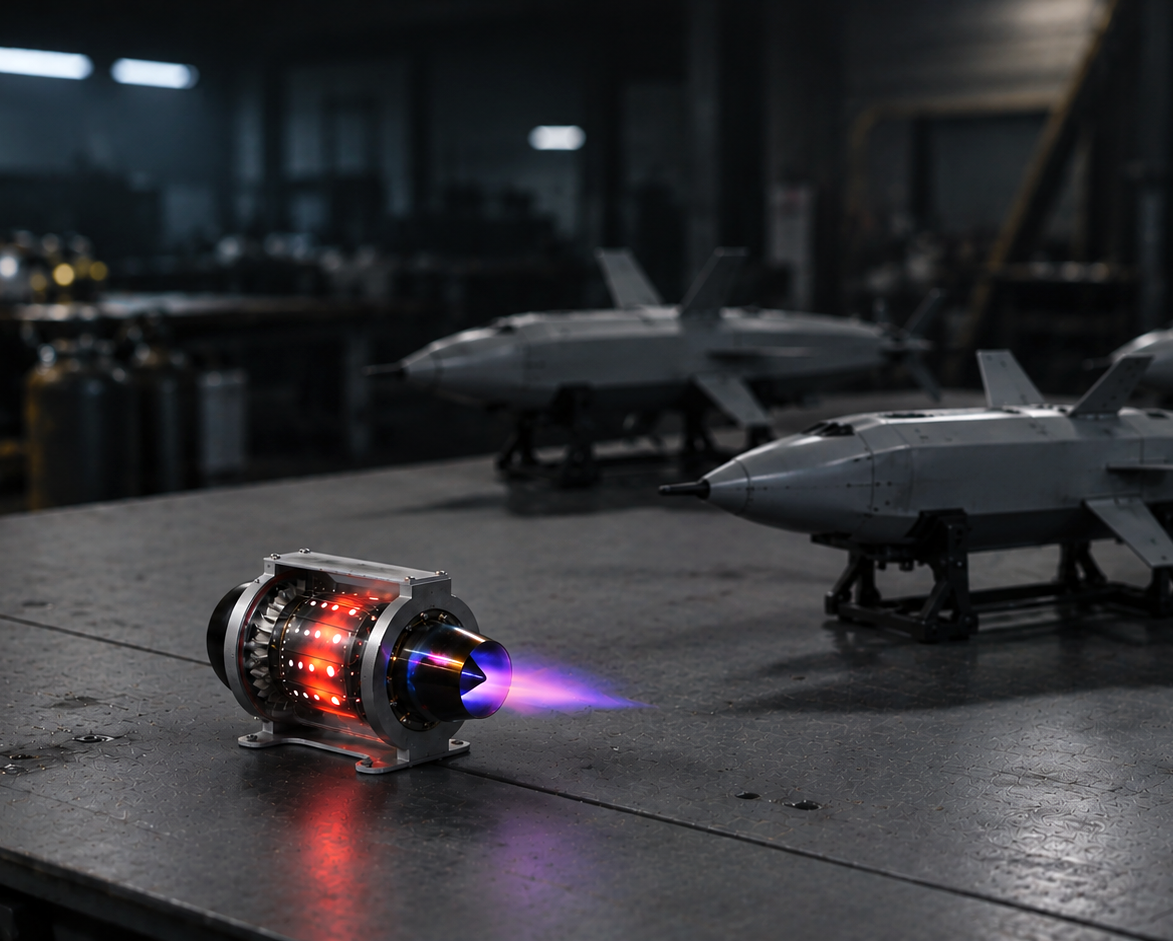
Faster attack drones leave less time to react and fewer chances to try again. Jet propulsion gives defenders an edge in response.
Since we last wrote about jet-powered interceptors, several more impressive models moved from research labs to the skies:
- Alta Ares Black Bird: A turbojet-powered, fixed-wing interceptor with a manufacturer-listed maximum speed of 670 km/h, a 30 km range, and AI terminal guidance designed for jammed environments.
- Firebolt Griffen: A jet-powered, catapult-launch interceptor advertised at up to 350 km/h, with automatic, semi-automatic, and manual flight modes.
- Alexa Spatium: A Ukrainian turbojet interceptor designed to engage Geran-3, Geran-4, Geran-5, and Shahed-131 drones.
But adding speed also raises the demands on guidance. The faster an engagement unfolds, the less time an operator has to interpret a video feed and correct the aircraft’s course. Onboard software can take on continuous tracking and flight adjustments, reducing dependence on manual inputs during the final approach.
Indra’s DRIZZLE, presented at UNVEX 2026, shows how closely speed and onboard processing are becoming linked. The company reports speeds above 400 km/h, but its emphasis also falls on what happens as the interceptor approaches a threat. Onboard processing analyses electro-optical and infrared sensor data to distinguish targets and guide the final approach. Indra plans to add radar in a later development phase to strengthen detection further.
Automated Interceptor Launches
We expect more “drone in a box” interceptor solutions to hit the market in the coming years.
The advantage of the containerized deployment model kicks in even before take-off:
- Interceptor drones stay protected, powered, and ready for deployment, without a crew having to unpack and prepare each aircraft.
- So operators can supervise units across multiple locations from a central station, shortening the gap between a threat alert and launch without exposing personnel to more dangers.
Leonardo and Marshall Land Systems recently offered a glimpse of that future with their latest prototype: Falcon Shield.
Inside a standard shipping container sit surveillance equipment and command-and-control software, ready to move by road, sea or air. Once deployed, the system can connect to different sensors and countermeasures, giving teams a portable hub for counter-drone defence.
The automation becomes particularly useful when the sky gets busy. HYAS, Leonardo’s command-and-control system, sorts incoming sensor tracks into a prioritized list of potential threats. In sentry mode, it automatically points cameras towards suspicious objects and uses AI to help distinguish drones from birds and aircraft. Teams can integrate existing equipment and add new countermeasures, including interceptor drones, without committing to one manufacturer’s entire catalogue.
This illustrates an important part of the picture: connecting detection and threat assessment with available responses.
Tighter Coordination Among Multiple Defence Modalities
A fast interceptor is of little use if the target information arrives too late. And an interceptor won’t always be the best response: electronic countermeasures, guns and missiles each have a role, depending on the threat and the conditions.
Defence teams need a shared view of what’s approaching, which systems can respond, and when to hand over an engagement. That takes coordination across equipment that may come from different manufacturers and operate on separate networks.
So we believe that more teams would emphasize building an integration layer using components like:
- Sensor fusion: Combines radar, camera, and other sensor observations into a shared picture, helping operators follow the same threat across different detection systems.
- Real-time command-and-control software: Prioritizes threats, shows available response options, and passes target information to the systems responsible for interception.
- Networked communications and remote control: Connect operators with distributed launch platforms, allowing interceptor teams to work beyond the immediate launch site.
Ukraine already offers an idea of how such integrations can change deployment. Wild Hornets has recently demoed a STING interceptor launch from UFORCE’s MV11 maritime drone, with aircraft carried in protected onboard compartments. Hornet Vision CTRL enables remote operation, linking the sea-based carrier with airborne interceptors and operators elsewhere. It’s a concrete example of naval and aerial platforms working together to take interceptor deployment beyond land-based launch sites.
Ultimately, the future of interceptor drones will hinge on how reliably new capabilities like faster cruising speeds, autonomous navigation, or launches will work together — and this is something we’re helping to enable with our Drone OS platform.